

How to Prepare Your Home for a Handyman Visit
- Hiring Advice
-
Apr 17
-
4 min read
- Share post
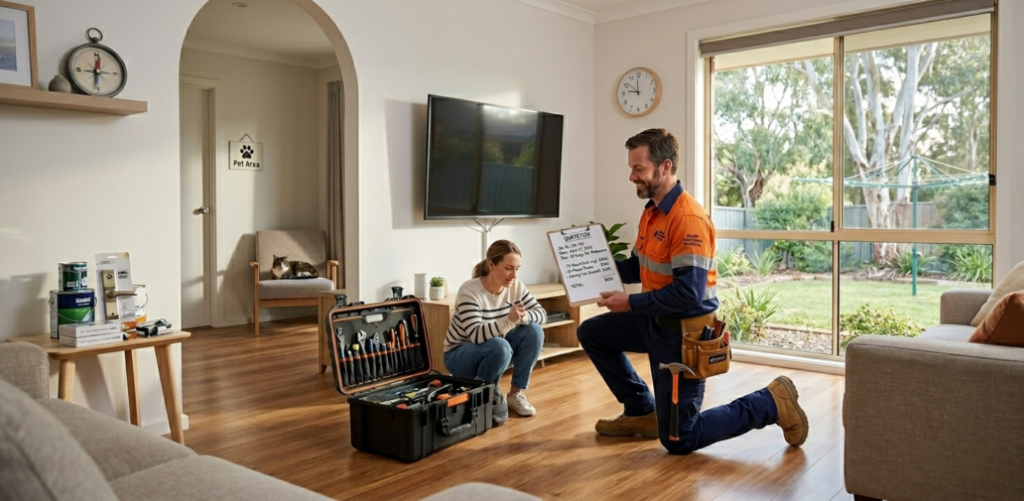
A little preparation before your handyman arrives can make the job go faster, smoother and cheaper. Here’s what to do before they show up.
1. Be clear about what you need done Write down every job you want completed before the handyman arrives. It sounds obvious, but homeowners often remember extra tasks mid-visit which disrupts the flow and can blow out the time and cost. A clear list upfront means the handyman can plan their time, bring the right tools, and give you a more accurate estimate. If you’re not sure whether a job is within scope, mention it when you book — it’s better to ask early than to spring it on them when they’re already on site.
2. Clear the work area Move furniture, boxes and clutter away from the areas where work is needed. A handyman working around obstacles takes longer — and you’re paying for that time. The more accessible the work area, the faster the job gets done. If the job involves a wall, make sure any artwork, shelving or furniture in front of it has been moved beforehand. Five minutes of your time can save fifteen minutes of theirs.
3. Know where your utilities are If any work involves walls, fixing fixtures or anything near pipes, know where your water mains, fuse box and gas shutoff are located. A good handyman will ask, but knowing in advance saves time and avoids an awkward pause mid-job while everyone hunts for the meter box. If you’re in a newer build or an apartment, check with your building manager beforehand if you’re unsure.
4. Secure your pets This one gets overlooked more than you’d think. An open front door and an unfamiliar person in the house is a recipe for a stressed pet or an escape. Put dogs and cats in a separate room for the duration of the visit. It also helps the handyman work without distraction — particularly for jobs that require concentration or involve tools and materials that could harm an animal.
5. Have materials ready if you’re supplying them If you’ve agreed to supply materials — paint, fixings, fittings — have them ready before the handyman arrives. Running to the hardware store mid-job adds time and cost to your bill. Double-check quantities too. If you’re not sure how much paint or how many fixings you’ll need, ask when you book so there are no last-minute trips to Bunnings eating into your booked time.
6. Be home or make arrangements Someone should be present or reachable during the job, especially for the first time you use a new handyman. If you can’t be home, make sure someone trustworthy can be there and that the handyman has clear instructions about what needs doing. Leaving a handyman alone in your home with an unclear brief is a setup for miscommunication — and jobs that get done differently to how you imagined.
7. Take photos before work begins It only takes a minute and it’s worth doing, especially for patch and paint jobs, repairs or anything where the before-and-after isn’t immediately obvious. Photos give you a reference point if you need to discuss the work later, and they’re useful if an insurance or warranty question ever comes up.
8. Do a walkthrough at the end Before the handyman leaves, walk through everything that was done and check you’re happy with the work. It’s much easier to address any issues on the spot than to follow up after the fact. A professional handyman will expect this and won’t be offended by a thorough check — in fact, it’s a good sign if they invite you to review the work themselves before packing up.
Find a Handyman Near You The Australian Handyman Directory lists trusted local handymen across Australia. Search by suburb, view services and contact directly — free, no booking fees.